by chiefwomble
Share
Posted by John Dawson the Society’s planning expert:
“The examination hearings are being conducted over a 4 week period that began 24th February and will conclude 20th March.
The Inspector has already declared that MSDC have not allowed for enough housing over the lifetime of the plan and in particular have not made sufficient allowance to accommodate the unmet need of adjacent authorities.
The District Plan as submitted for examination was based on building 999 new dwellings per year but MSDC have now been instructed to re-assess sites previously omitted from the plan in order to achieve approx 1300 new dwellings per year. A timescale for the re-assessment of sites is to be published 20th March.”
_______________________________________________________________
FAO Jonathan Bore MRTPI
Mid Sussex District Council – District Plan 2021–2039 Examination ‘Matters and Issues for examination item 6 – The selection of sites for allocation in the plan’.
I am writing to you on behalf of the Lindfield Society. Lindfield is classified as a category 2 settlement in terms of the District Plan, meaning that it is one of the District’s larger villages with a large conservation area at its heart. The aim of the Society is to encourage the preservation and sympathetic development of our village.
We understand that nationally there is a shortage of housing and that the current government is aiming to correct this by setting ambitious targets for house building over the course of the current parliament.
Providing the upcoming examination of the District Plan goes well, the work that Mid Sussex District Council has done leading up to the forthcoming examination would appear to achieve the required housing targets while also taking sufficient account of the unmet need of neighbouring authorities.
When announcing recent reforms to the NPPF, The Secretary of State stated that ‘the plan making system is the right way to plan for growth and environmental enhancement, ensuring local leaders and their communities come together to agree on the future of their areas. Once in place and kept up-to-date, local plan provide the stability and certainty that local people and developers want to see our planning system deliver’.
There can be little argument that properly structured development in accordance with a district plan, developed with community involvement, is the right way to grow communities and yet sadly the planning process sometimes does not give sufficient weight to this.
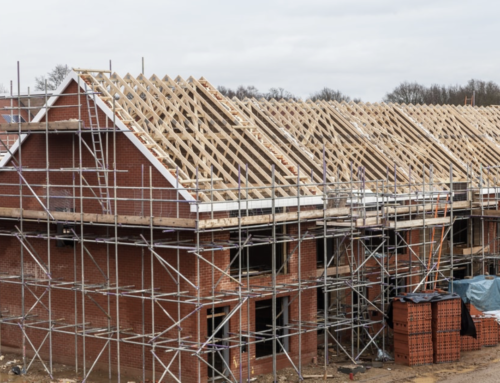
The development at Scamps Hill, Lindfield, is a recent example that frankly makes a mockery of the district plan process. The site in question was not included in the district plan, was outside the built-up boundary of Lindfield and yet was granted approval by the government inspector on appeal.
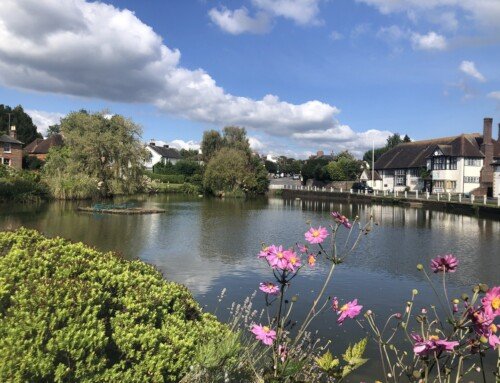
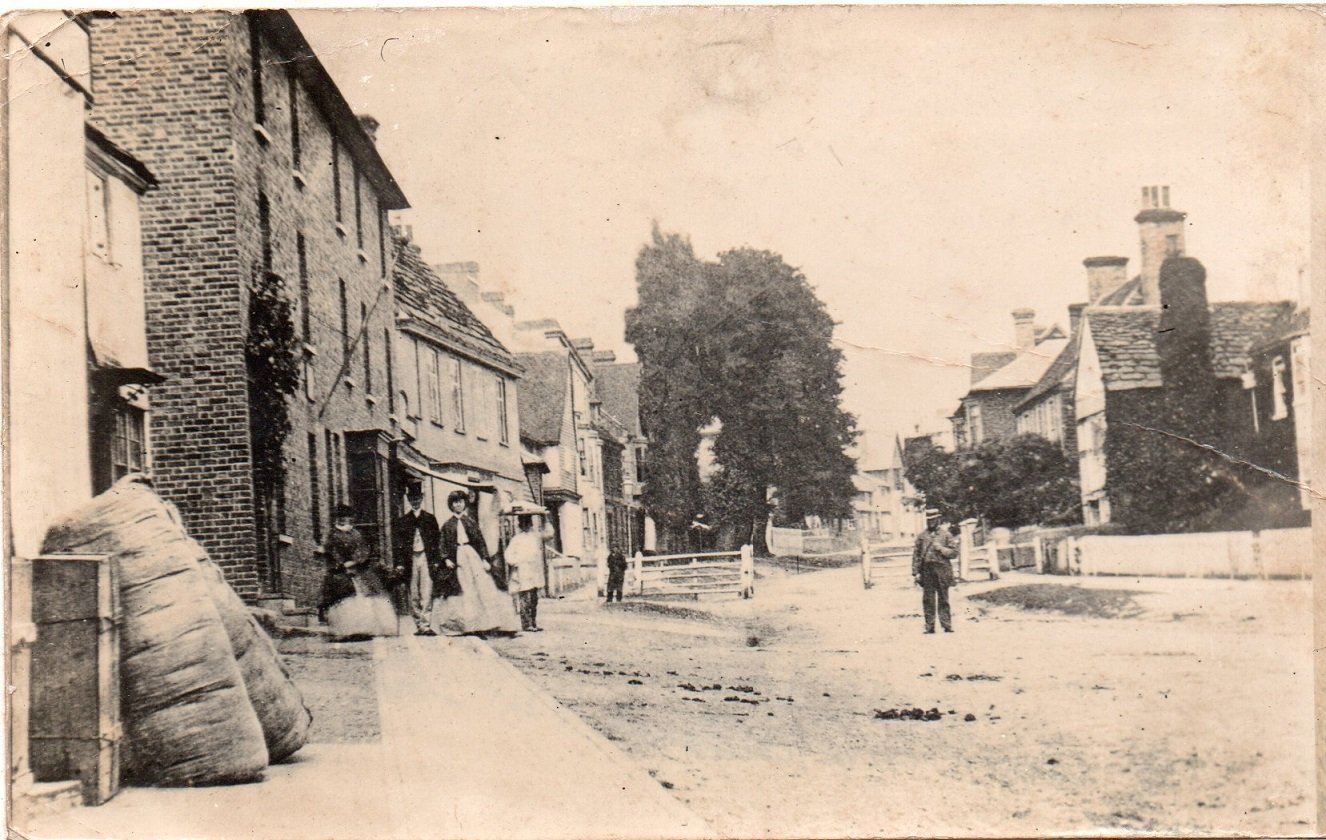
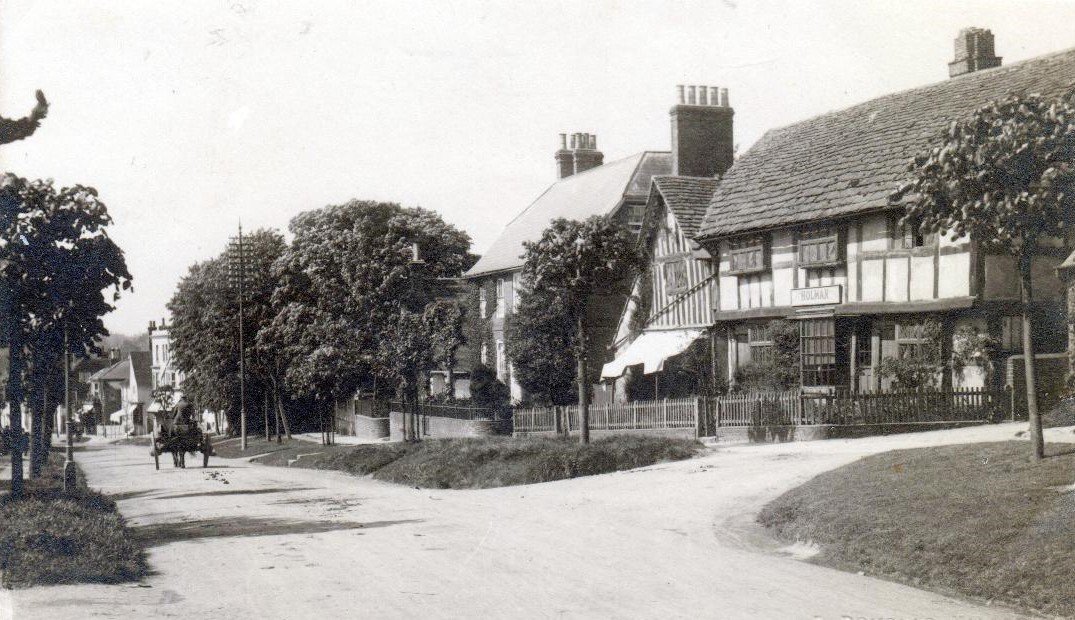
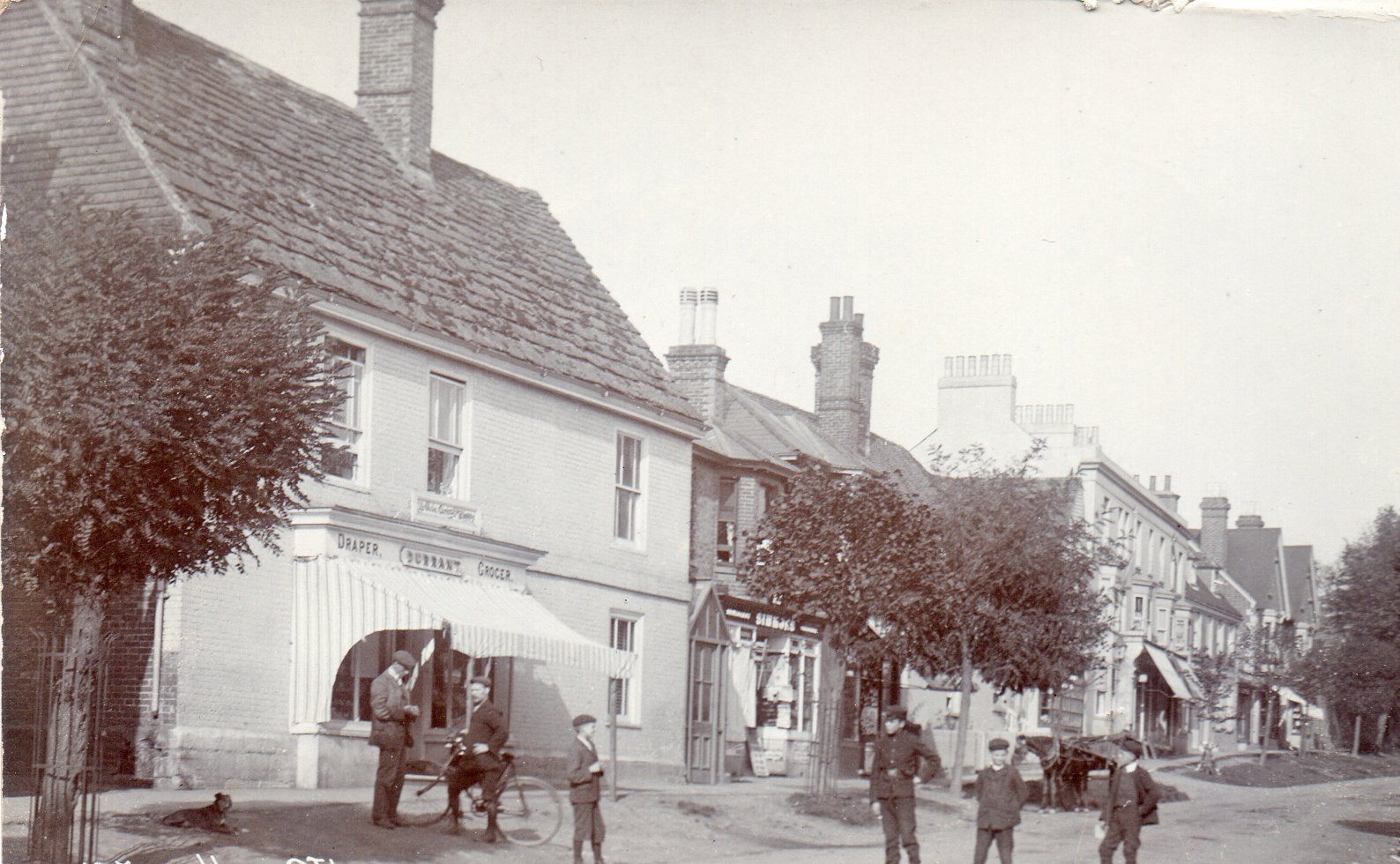
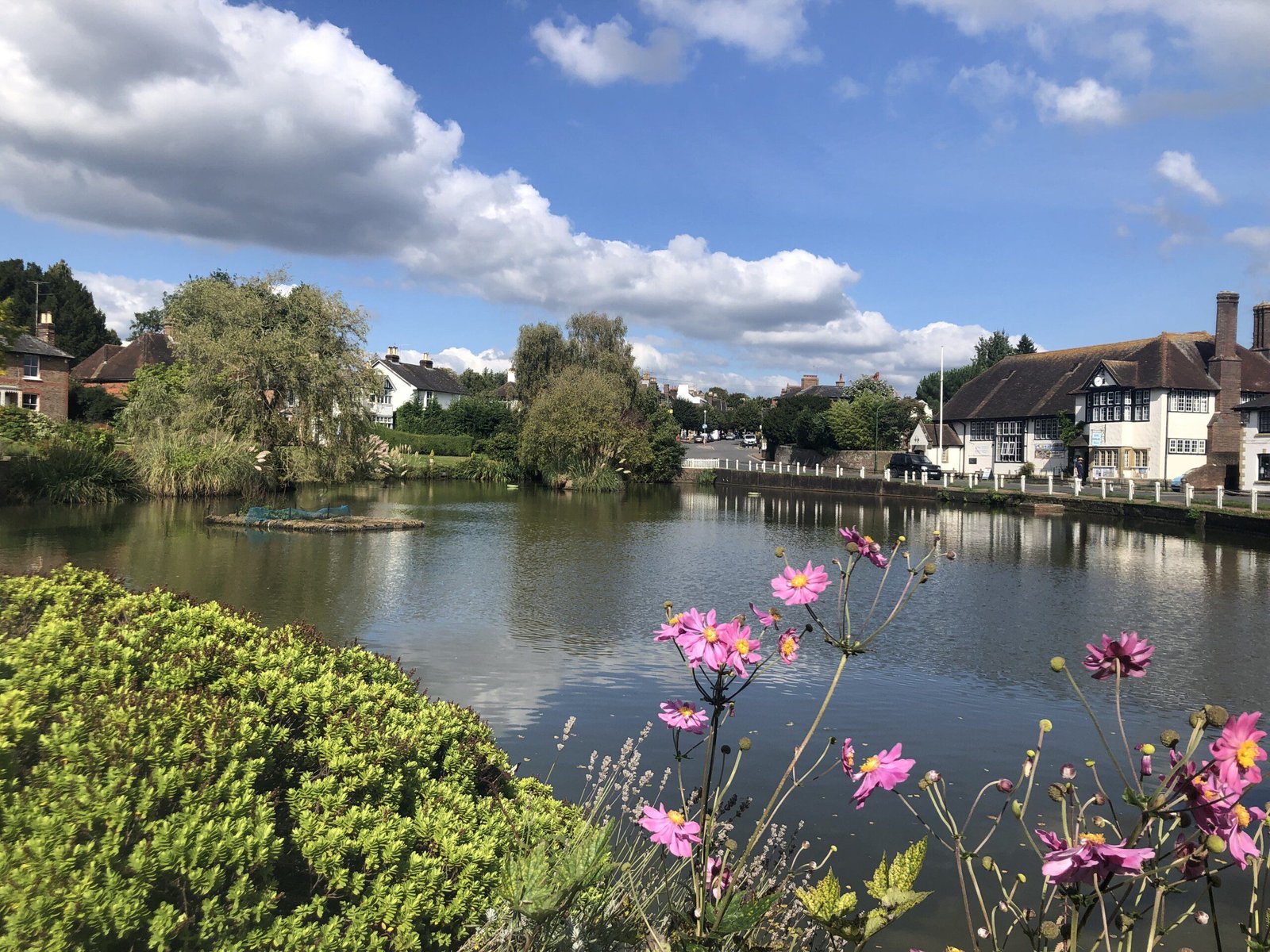
A village like Lindfield, with a high street full of historic buildings, a beautiful duck pond and expansive common is a marketing dream to housing developers so will always be vulnerable to speculative development like this until greater weight is given to district plans.
From your recent note, it’s clear that landowners and developers would like to challenge the site selection process and we welcome your stance that the upcoming examination hearings will focus on the soundness of the submitted
District Plan rather than consideration of sites that have not been selected. As with the Scamps Hill example, however, inevitably some landowners and developers will simply ignore the District Plan and established built-up boundaries and seek approval via the appeal process.
The importance of district plans developed with community involvement must be given greater importance if we are to avoid a ‘wild west’ environment for housing development and the Secretary of State’s declaration is proven simply to be hollow words.
John Dawson
The Lindfield Society – 10 February ‘26
_______________________________________________________________